
They transformed SEO into our most effective acquisition channel, driving substantial year-over-year organic growth and helping us support 1.5 million monthly visitors across our vast 170,000-item catalog.
Client
ePlaneta
Expertise
- Artificial Intelligence
- Image Recognition
- Data Processing
- Custom Automation
- eCommerce Optimization
Year
2025

ePlaneta is one of Serbia’s leading online retailers, offering over 170,000 products across 2,000+ categories. With around 1,500,000 monthly visitors, the platform serves a wide range of customer needs. They needed structured, category-specific attributes to power faceted navigation and improve product discoverability, especially where key details (like color, shape, or type) weren’t reliably present in descriptions.
Client words
For the past three years, Granular Group has been ePlaneta’s go-to partner for scaling our digital presence. They transformed SEO into our most effective acquisition channel, driving substantial year-over-year organic growth and helping us support 1.5 million monthly visitors across our vast 170,000-item catalog. Their strategic guidance fueled rapid expansion in key verticals—household appliances, IT hardware, footwear, and apparel—solidifying our leadership in each.
Their greatest impact has been in empowering us with clear, actionable insights. They built a bespoke controlling system that tracks performance at the product, category, and keyword level, surfacing opportunities and flagging issues the moment they arise. This real-time visibility has enabled our teams to optimize campaigns swiftly, fine-tune content, and maintain steady conversion gains across the board.
With their proactive, hands-on collaboration, Granular feels like an extension of our team. They navigate cross-departmental hurdles with ease, continuously unlocking new revenue streams and ensuring ePlaneta is poised for sustainable growth in Serbia’s competitive eCommerce market.
Branimir Kulašević, Chief Ecommerce Officer

Challenges
Manual Product Attribution at Scale
Assigning attributes to 1,000+ products manually would require opening each product, reviewing details, and saving updates one by one, a process too slow and unsustainable.
Inconsistent or Missing Product Information
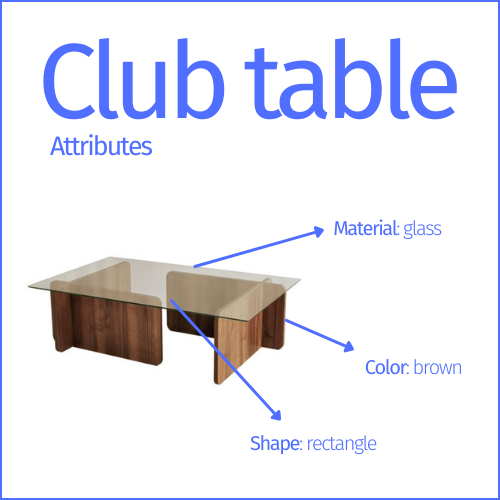
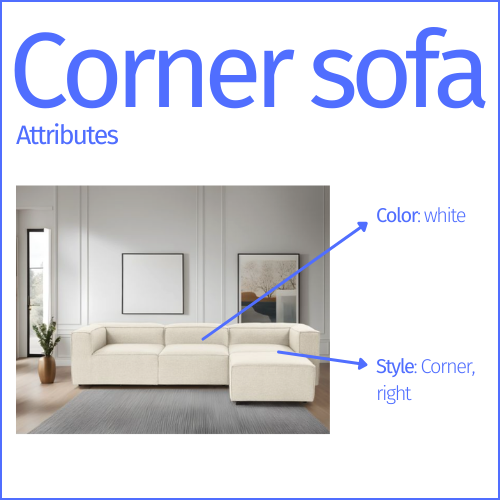
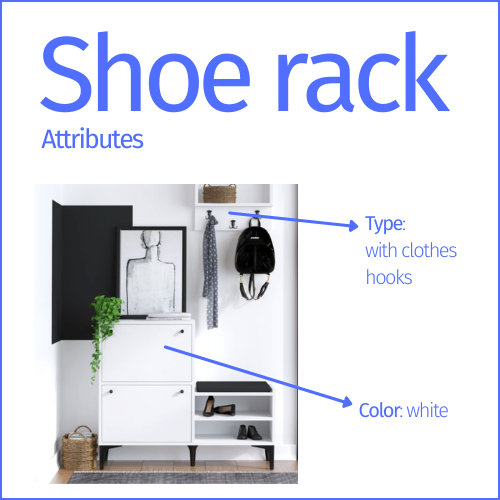
Many key attributes (shape, color, type) were not present in product descriptions, making text-only attribution insufficient.
Category-Specific Attribute Requirements
Seven different product categories required unique sets of attributes and filters, adding complexity to standardization.
No Unified Data Structure
Existing product data (name, description, specs, images) was dispersed, requiring consolidation before AI processing.

Solution
Attribute Framework Development
Created a complete list of required attributes and filters for each of the seven categories.
Consolidated Product Data Tables
Merged product names, descriptions, specifications, and images into unified data tables for clean processing.
Text-Based AI Extraction
Used AI models to analyze product content and assign attributes based on available textual information.
AI Image Recognition
Applied image recognition models to detect visual attributes: shape, color, style, and other features missing from descriptions.
Unified CMS-Ready Output
Generated a single structured database for all products, ready for direct import into the CMS with no manual editing needed.

Results
- 1,000+ products attributed Fully enriched with structured attributes across seven categories.
- 29 new filters created Category-specific filters built to improve product discoverability.
- 100% automated processing Replaced weeks of manual work with an AI-driven workflow.
- Dual-source accuracy boost AI text + image analysis ensured coverage of attributes missing from product descriptions.